





.png)
.png)
.png)
.png)



As electricity prices grow more volatile and grids strain under rising renewable penetration, energy storage has moved from a “nice-to-have” to a strategic necessity — for utilities and businesses alike. Global battery storage is entering a genuine “super year.” Forecasts point to roughly 438 GWh of new installations worldwide in 2026, up nearly 60% year-on-year, driven by two complementary engines: utility-scale storage and commercial & industrial (C&I) storage.
Understanding how these two markets differ — and how they’re converging around the same underlying need for flexibility — is essential for anyone planning storage investments this year.
Utility-Scale Storage: From Policy Mandate to Economic Infrastructure
For most of the past decade, utility-scale battery storage was built because regulators required it. That’s changing fast. In 2026, the winning formula for utility-scale projects increasingly comes down to three factors: long duration, grid-forming capability, and cost control.
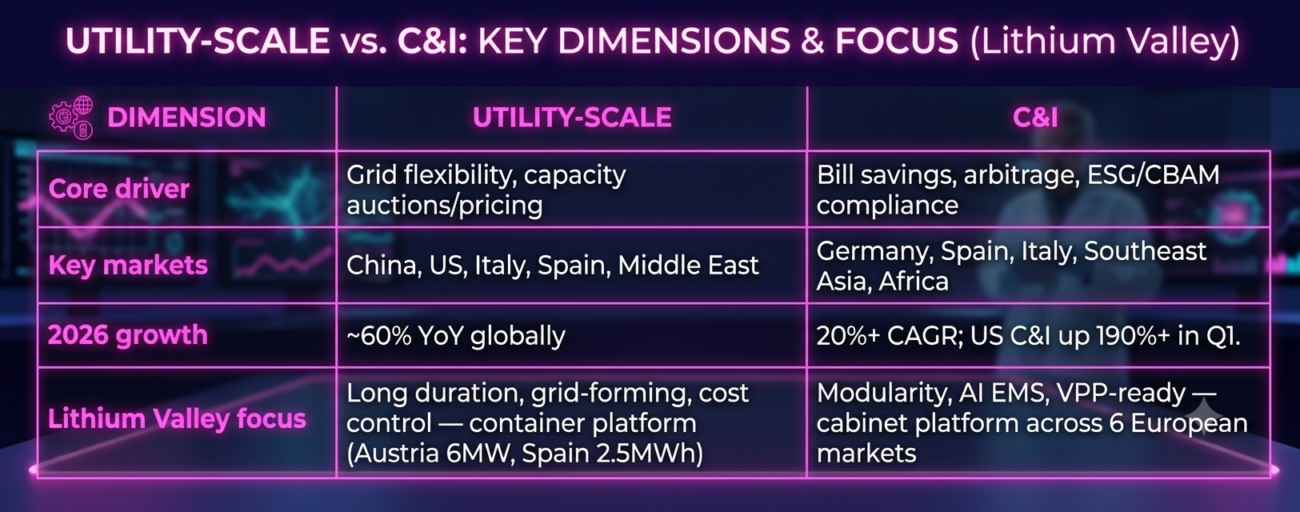
China remains the largest single market, with new-type storage connections expected to reach 265–275 GWh in 2026 as capacity-price mechanisms mature and standalone storage projects become bankable on their own economics rather than mandated co-location. Europe is entering its own deployment peak: Italy’s MACSE auction has released 16 GWh of capacity under 15-year indexed contracts, with average project duration already at 6.6 hours — a clear signal that the market is moving toward long-duration, grid-supportive assets rather than short-burst systems. Emerging markets, including the Middle East and parts of Latin America, are now contributing meaningful volume too, with growth rates approaching 90% as large-scale solar-plus-storage and data-center-linked projects come online.
Technically, this shift means four-hour-plus durations and “grid-forming” capabilities are becoming baseline requirements rather than premium features. Storage systems are no longer just following grid dispatch signals — they’re increasingly expected to actively stabilize the grid by providing inertia, voltage support, and reliable capacity during peak stress periods.
Case in Point: Lithium Valley’s Containerized Platform in Action
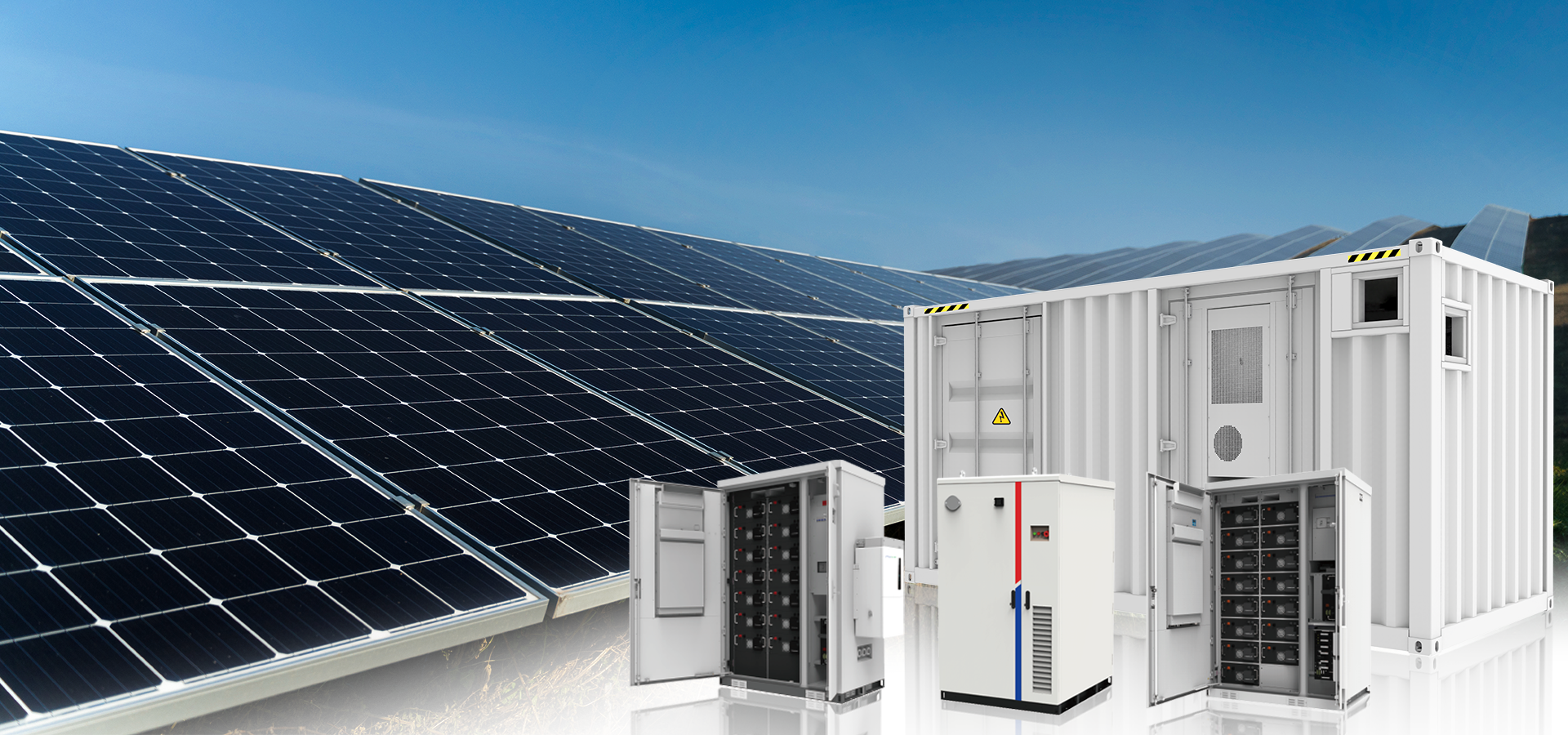
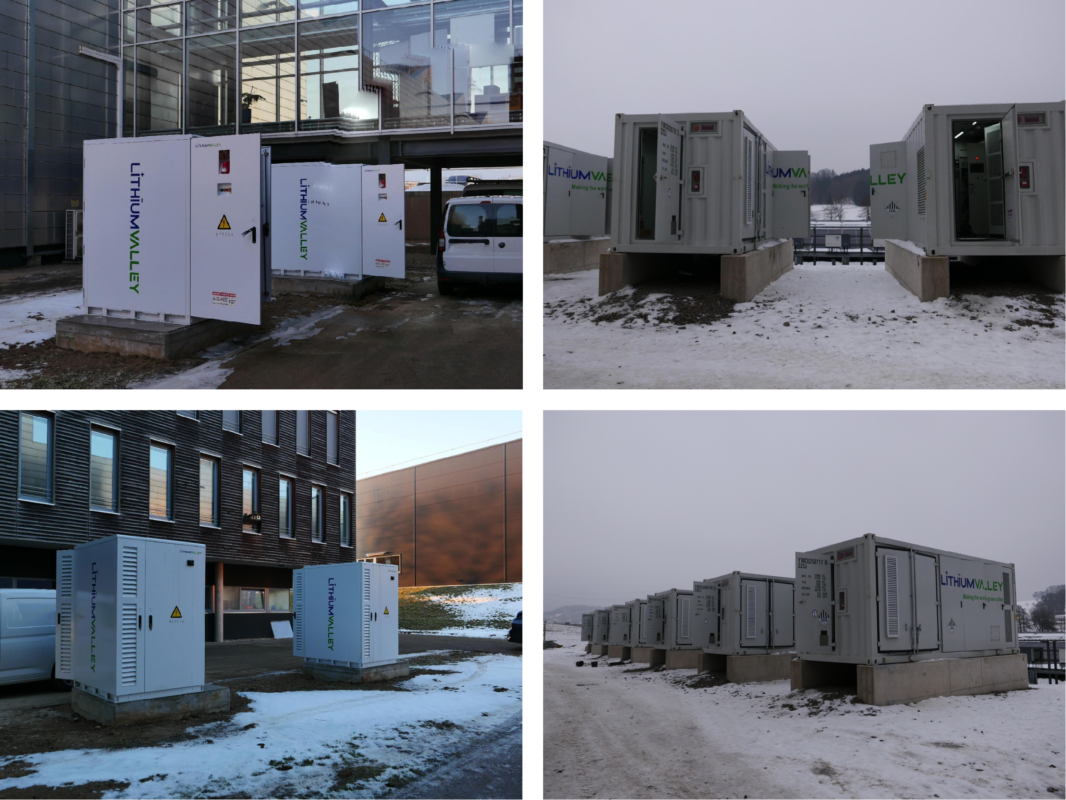
This is exactly where Lithium Valley’s containerized platform is built to perform. In Austria, we deployed six 1,045 kWh liquid-cooled BESS containers — 6 MW total — paired with 2 MW of solar PV, giving the operator a scalable, grid-supportive asset designed for long-duration discharge. In Spain, our 2.5 MWh containerized system (two 630 kW units) demonstrates the same design philosophy at a different scale.
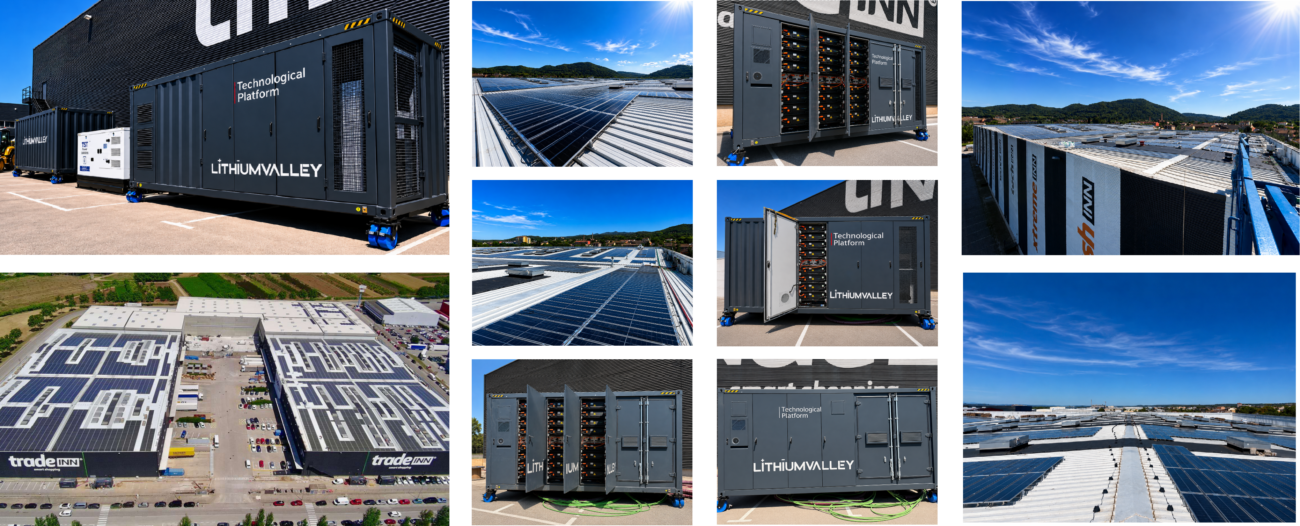
Both projects share a common engineering thread: efficient liquid cooling to extend battery lifespan and reduce degradation costs, combined with a container architecture that can be scaled up unit-by-unit as capacity needs grow. For utility-scale operators, this combination — long duration plus disciplined lifecycle cost management — is what turns a storage asset from a compliance cost into a revenue-generating piece of grid infrastructure.
C&I Storage: Smaller in Volume, Faster in Growth
While utility-scale storage captures the larger GWh numbers, the fastest percentage growth in 2026 is happening behind the meter. In the US, for example, Q1 2026 community and C&I storage installations grew over 190% year-on-year — the strongest start to a year on record for this segment.
The value proposition here is fundamentally different from utility-scale. Three forces are converging to drive this growth:
- Dynamic-tariff arbitrage: In markets with time-of-use or real-time pricing — Germany, Spain, and Australia among the most advanced — the “charge low, discharge high” opportunity has become financially significant enough to justify standalone investment.
- Bill savings and resilience: In regions with high electricity costs or unreliable grids, from parts of Europe to Africa and Southeast Asia, businesses are pairing solar with storage to cut costs and secure backup power for critical operations.
- Regulatory and ESG pressure: The EU’s Carbon Border Adjustment Mechanism (CBAM) and the decarbonization commitments of major global brands are pushing manufacturers and suppliers to demonstrate a lower-carbon energy footprint — turning on-site storage from optional to close to mandatory for export-oriented businesses.
For C&I customers, the winning formula looks different than utility-scale: modularity, AI-driven energy management, and virtual power plant (VPP) integration matter more than raw duration.
Case in Point: Lithium Valley’s Cabinet Platform Across Europe
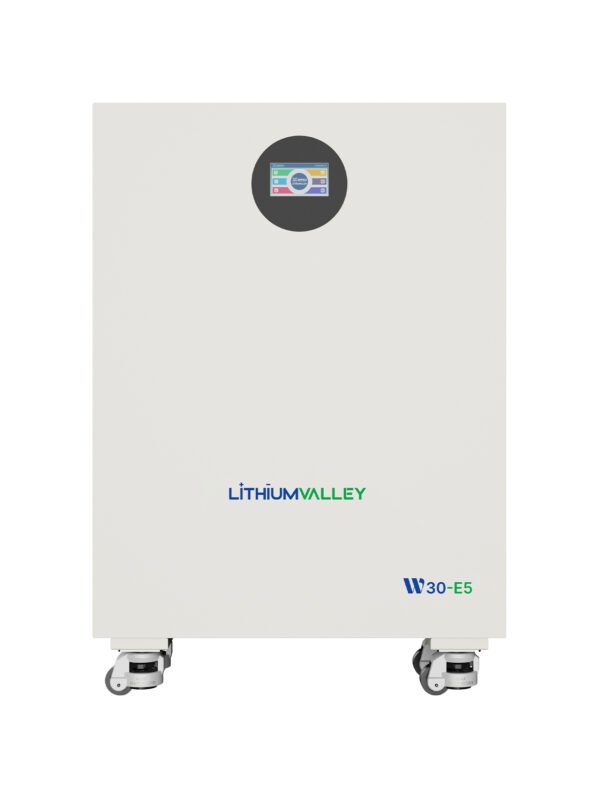
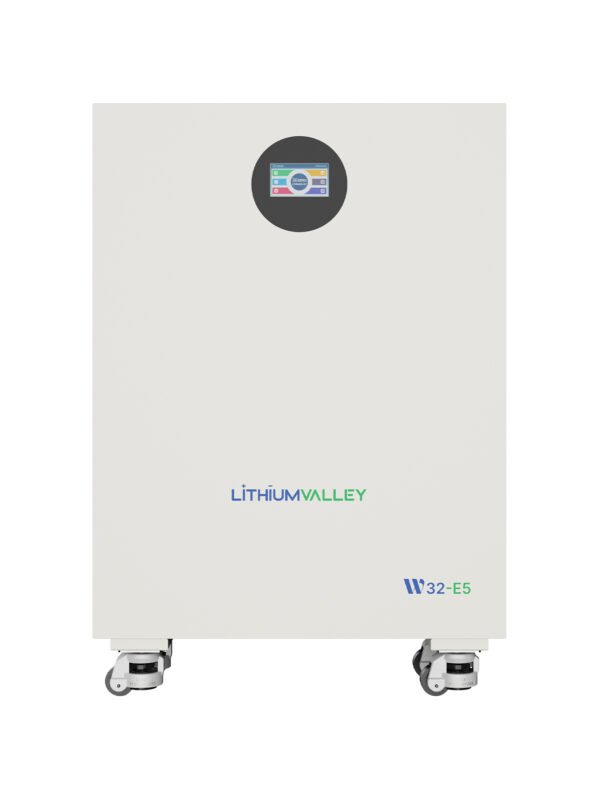
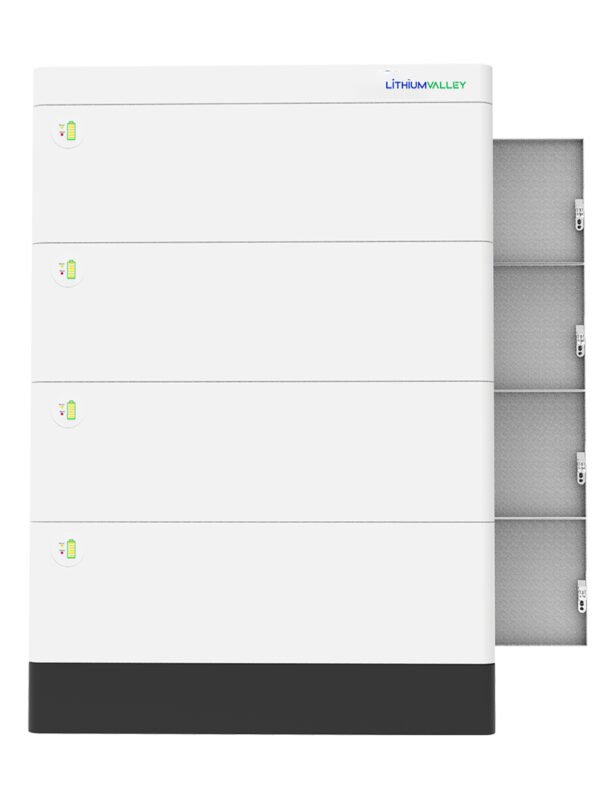
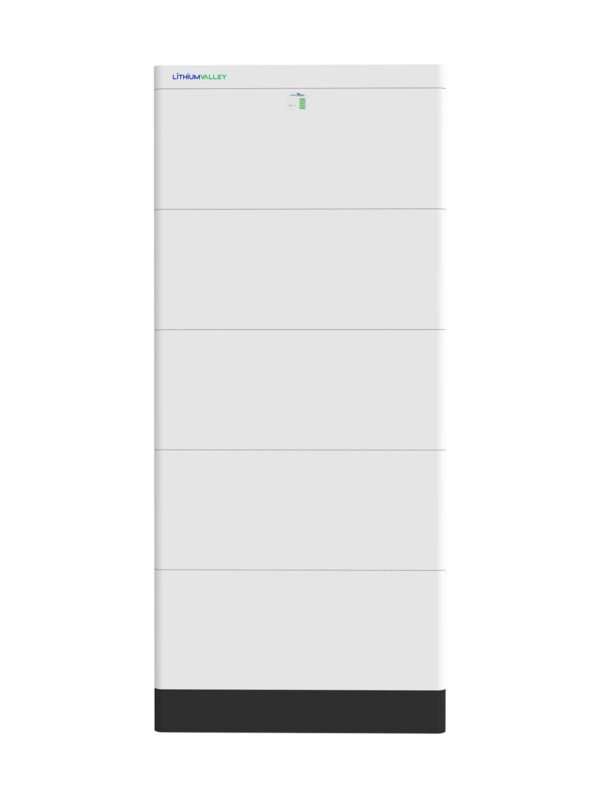
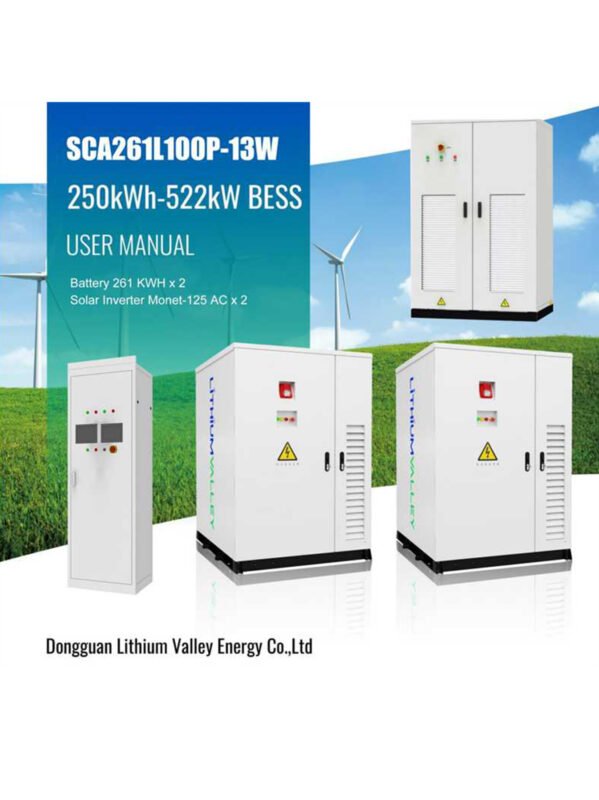
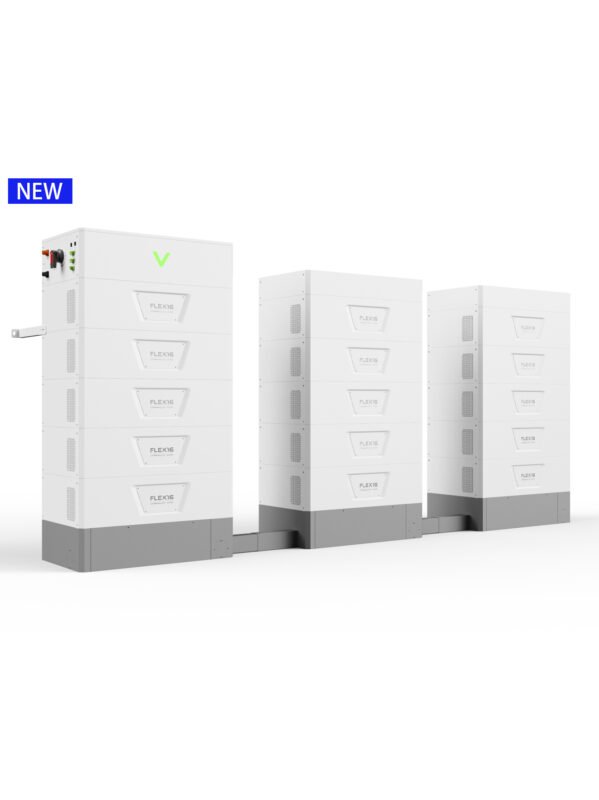
Lithium Valley’s liquid-cooled outdoor cabinets (125–261 kWh) are already deployed across six European markets — Italy, Spain, the UK, Austria, Ukraine, and Lithuania — each configured to the specific needs of the site. In Spain, our cabinets are AC-coupled with a gas genset for self-consumption mode, giving the customer flexibility between grid, solar, and backup power sources. In Italy, four 261 kWh cabinet units are paired directly with PV, maximizing self-generated solar use and reducing grid dependency.
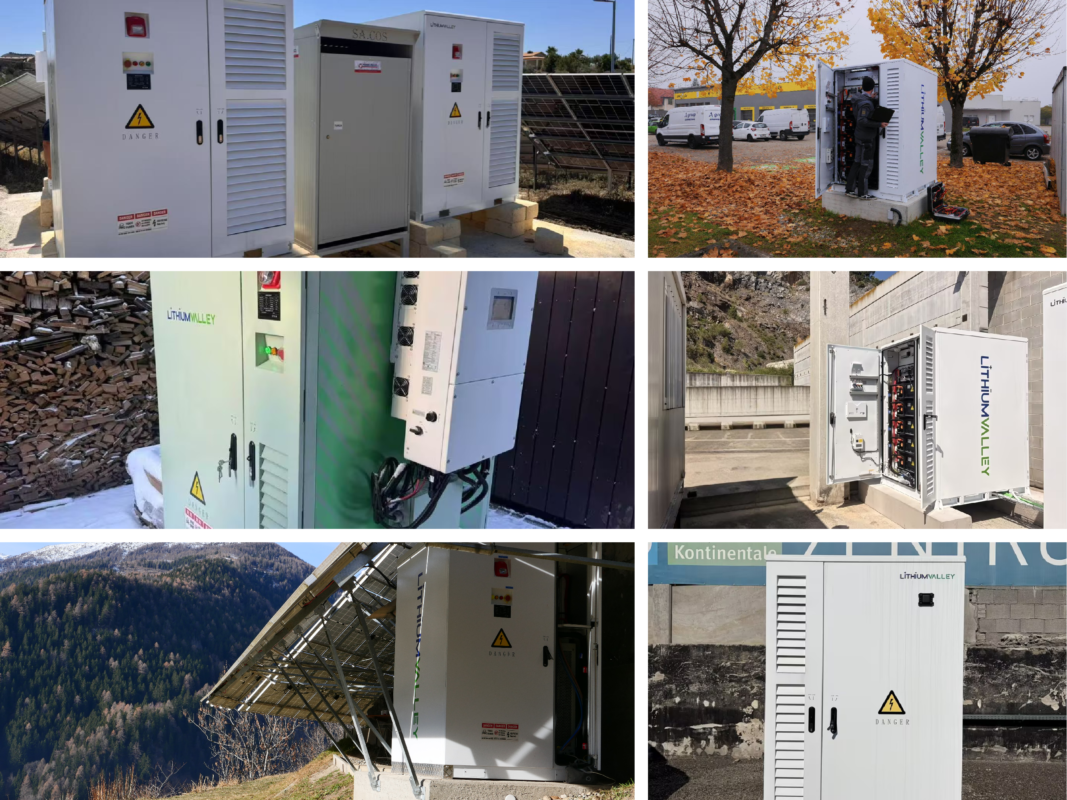
What makes this platform work across such varied use cases is its plug-and-play modularity — a single cabinet can scale into multi-unit clusters as a business’s energy needs grow, without requiring a full system redesign. Paired with AI-driven EMS logic that optimizes charge and discharge timing against dynamic electricity prices, and built to support VPP participation, this architecture lets C&I customers capture value from day one and scale intelligently as their energy strategy matures.
Utility-Scale. C&I Storage: 2026 at a Glance
One Engineering Philosophy, Two Market Logics
Despite their differences, both segments point to the same underlying truth: flexibility is becoming the currency of the power sector. Where the grid needs stability, storage should be built for duration and cost efficiency. Where customers need agility, storage should be built for modularity and intelligence.
Lithium Valley designs across both logics — from long-duration, grid-forming containers for utility-scale operators to modular, AI-optimized cabinets for commercial and industrial customers. Whether you’re planning a grid-scale project or a site-level energy strategy, our European deployment track record shows what’s possible when the right architecture meets the right market need.
Want to explore which storage architecture fits your project? Contact our team : sales@lithiumvalley.com to discuss a tailored solution.